
Introduction: Privacy Is the Missing Layer of Web3
Blockchain promised transparency, trustlessness, and decentralization.
But as Web3 adoption grows, a major problem becomes increasingly obvious:
Total transparency is not compatible with real-world applications.
In Web2, privacy is abused.
In Web3, privacy is often missing.
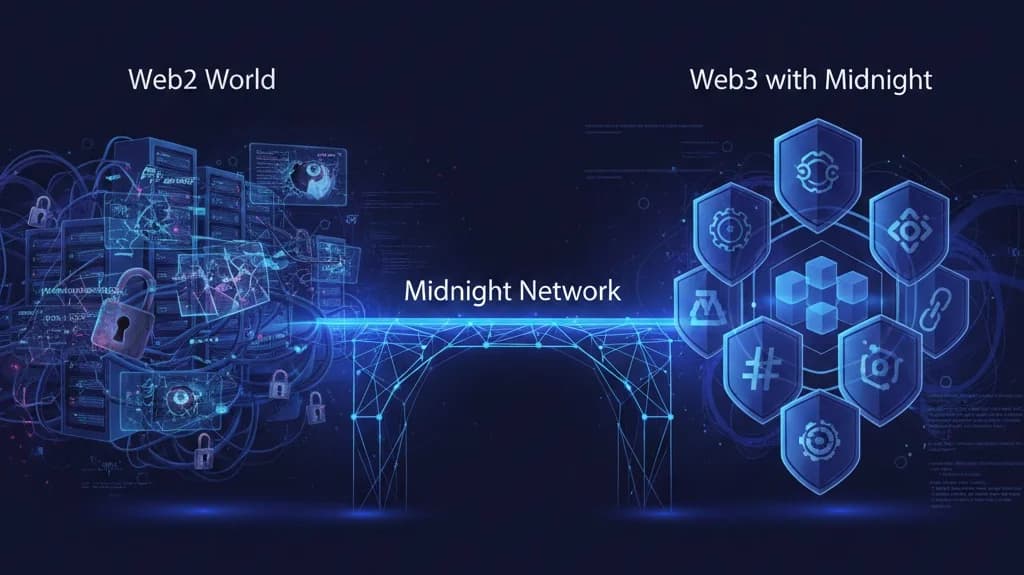
This is where Midnight Network enters the picture, not as a “privacy coin,” but as a programmable privacy layer designed to make decentralized applications usable in the real world.
This article explores:
Why Web2 privacy failed
Why Web3 transparency alone is not enough
How Midnight enables private, compliant, real-world dApps
Concrete use cases across DeFi, healthcare, education, and DAOs
1. The Web2 Privacy Crisis
Data Leaks Are the Norm, Not the Exception
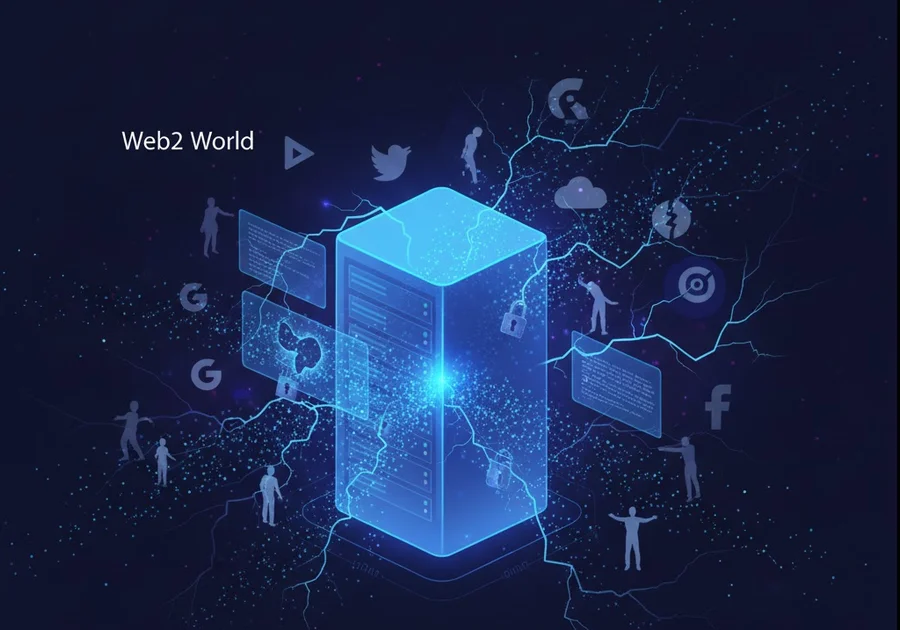
In Web2, user data is stored in centralized databases:
Emails
IDs
Financial records
Medical history
Location data
These databases are:
Constantly breached
Sold to third parties
Monetized without user consent
Users don’t own their data, platforms do.
KYC Exposure and Over-Collection
Most Web2 platforms require:
Full identity documents
Permanent storage of sensitive information
No selective disclosure
You must reveal everything, even when only one fact is needed.
Example:
To prove you’re over 18, you expose your full ID.
This creates unnecessary risk for users and liability for companies.
Surveillance Capitalism
Web2 platforms don’t just host data, they profile behavior:
What you read
What you buy
Who you interact with
Privacy becomes a trade-off instead of a right.
2. Why Transparency Alone Is Not Enough in Web3
Public blockchains solve trust, but introduce new privacy problems:
Wallet addresses expose full transaction history
Financial behavior is permanently public
Business logic becomes visible to competitors
Sensitive use cases become impossible
This makes Web3 unsuitable for:
Enterprise adoption
Regulated industries
Personal identity use cases
Web3 needs selective transparency, not full exposure.
3. Midnight’s Core Idea: Programmable Privacy
Midnight is designed around a simple but powerful principle:
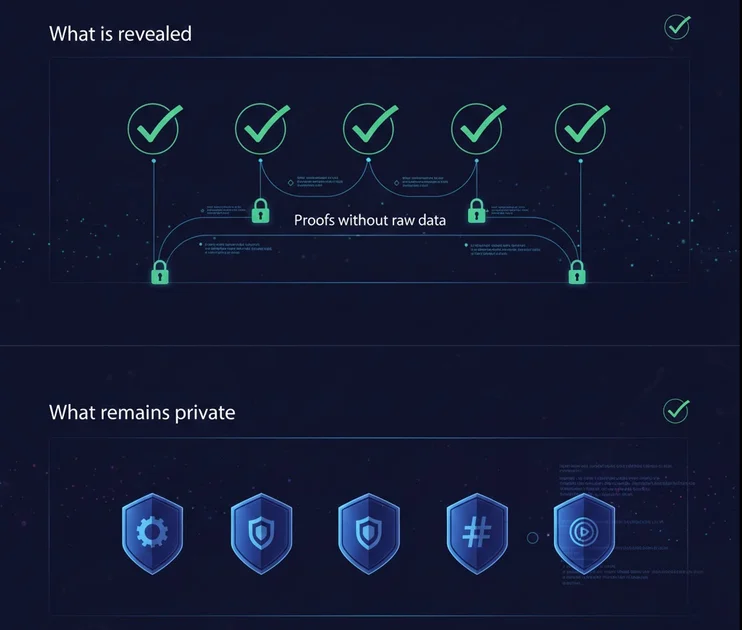
Reveal only what is necessary — and nothing more.
Instead of hiding everything, Midnight allows developers to define what is private and what is public.
This is achieved using zero-knowledge proofs (ZK proofs) and privacy-aware smart contracts.
4. How Midnight Enables Real-World Applications
4.1 Private Credentials
With Midnight, users can hold verifiable credentials without exposing raw data.
Examples:
Prove age without revealing birthdate
Prove residency without revealing address
Prove certification without revealing identity
This enables self-sovereign identity with privacy by default.
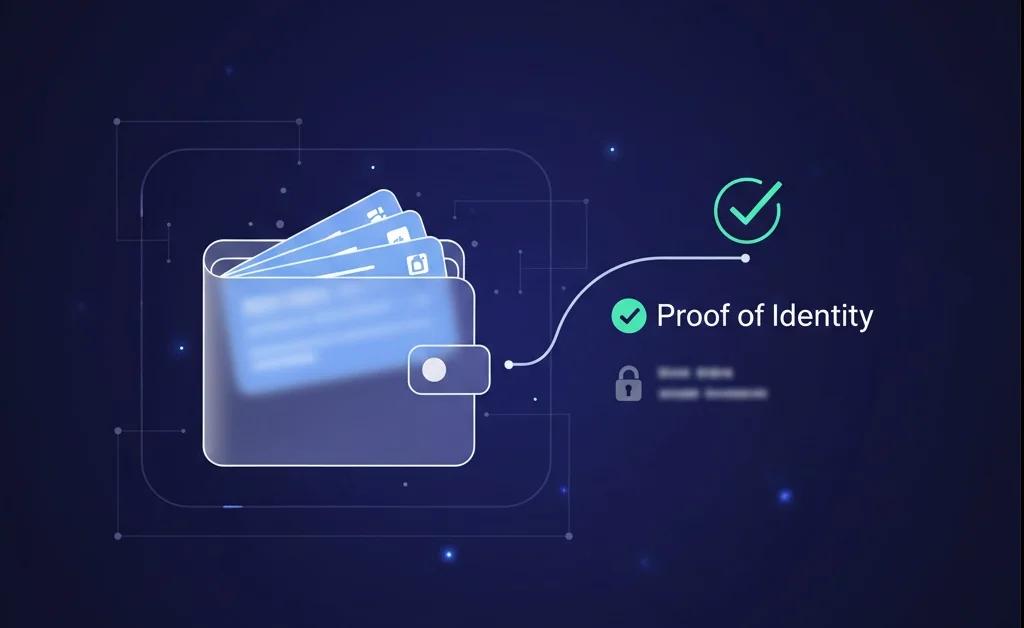
4.2 Selective Disclosure
Selective disclosure means:
Users choose what to reveal
Platforms receive only what they need
Compliance without surveillance
This is critical for:
Regulated dApps
KYC-lite onboarding
DAO governance
Instead of “trust us with your data,” the model becomes:
“Verify the claim, not the person.”
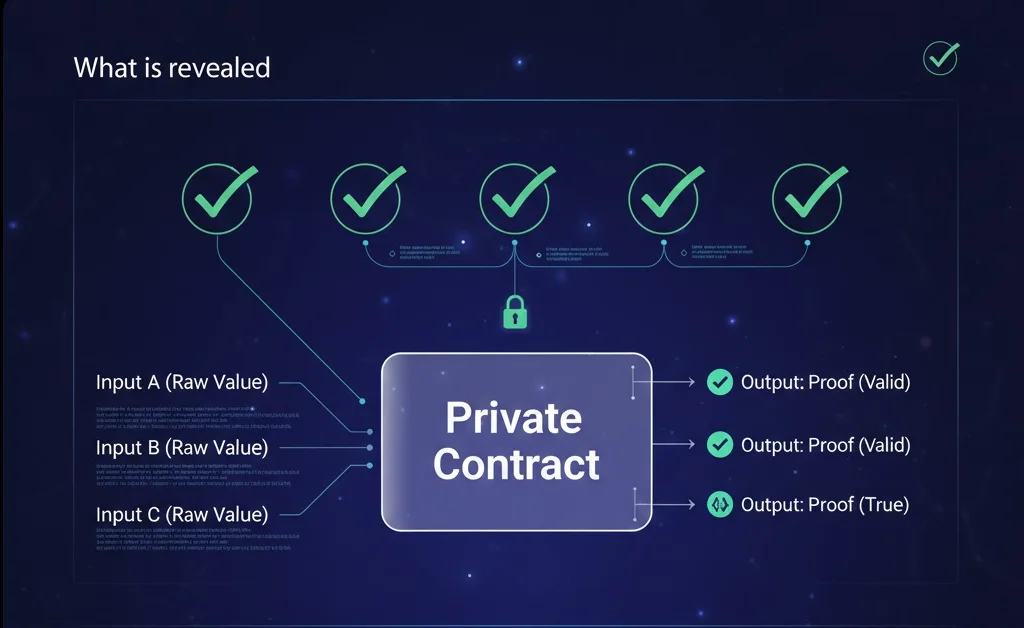
4.3 Confidential Smart Contracts
Traditional smart contracts expose:
Logic
Inputs
Outputs
Midnight enables confidential smart contracts, where:
Sensitive logic remains private
Data inputs are shielded
Only results or proofs are shared
This unlocks use cases that were previously impossible on public chains.
5. Real-World Use Cases Enabled by Midnight
DeFi: Privacy Without Darkness
Midnight enables:
Private balances
Confidential strategies
Selective regulatory disclosure
Institutions can interact with DeFi without exposing proprietary data, while still proving compliance.
Healthcare: Confidential Data, Verifiable Access
Healthcare requires:
Extreme privacy
Controlled access
Verifiable permissions
With Midnight:
Medical data stays private
Access rights are proven cryptographically
Patients remain in control
No public blockchain can safely do this without privacy at the protocol level.
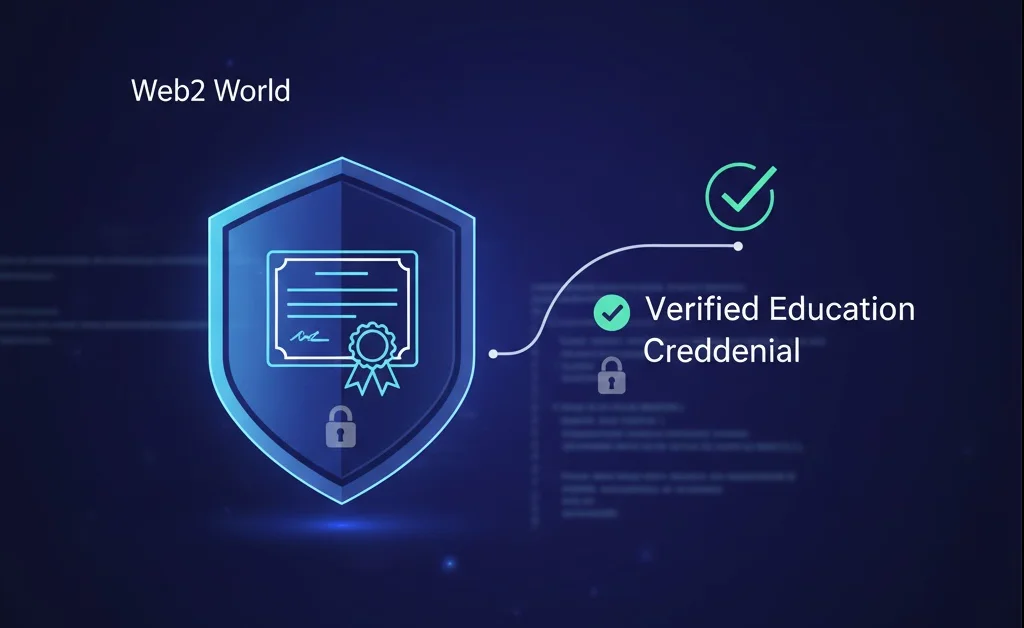
Education: Verifiable Credentials Without Data Exposure
Universities and platforms can issue:
Diplomas
Certificates
Proof of enrollment
Students can prove qualifications without:
Sharing full academic history
Revealing personal identifiers
DAO Voting: Privacy with Accountability
Public voting exposes:
Political preferences
Influence patterns
Social pressure
With Midnight:
Votes remain private
Eligibility is provable
Results are verifiable
This enables fairer and more inclusive governance.
6. Why This Matters for Builders and Founders
Midnight doesn’t just protect users, it protects applications.
For builders, it means:
Building compliant apps without data liability
Entering regulated markets
Designing new business models
For founders, it means:
Privacy as a feature, not a risk
Competitive advantage
Long-term sustainability
Midnight transforms privacy from a limitation into an architectural tool.
Conclusion: Privacy Is the Next Adoption Layer
Web3 won’t reach mass adoption with transparency alone.
It needs privacy that works in the real world.
Midnight Network provides:
Programmable privacy
Selective disclosure
Confidential computation
Not to hide activity, but to make decentralized systems human, compliant, and usable.
Discussion
Join the conversation
Connect your wallet to share your thoughts and engage with the community
No comments yet
Connect your wallet to be the first to comment!